One thing that makes TV game shows fun to watch is that there's usually an element of luck involved. But how (un)lucky is (un)lucky? We look at the probabilities of two popular examples.
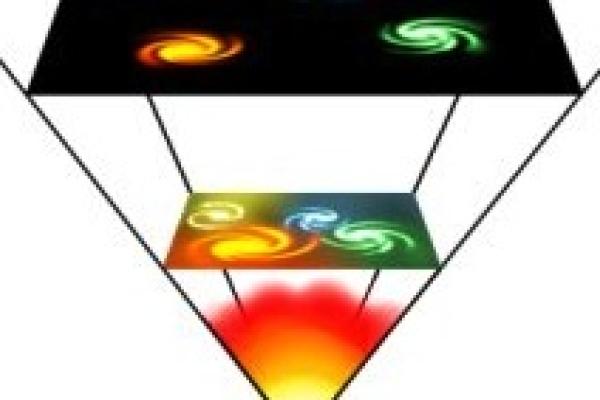
A 1 in 14 million chance to win the lottery, a 5% risk of cancer, a 50:50 chance of heads on a coin — we deal with probabilities all the time, but do they actually mean anything? We explore the philosophy of probability and ask whether the probabilities that come up in physics differ from those in every day life.